News
Why multigenerational teams are India’s next competitive edge
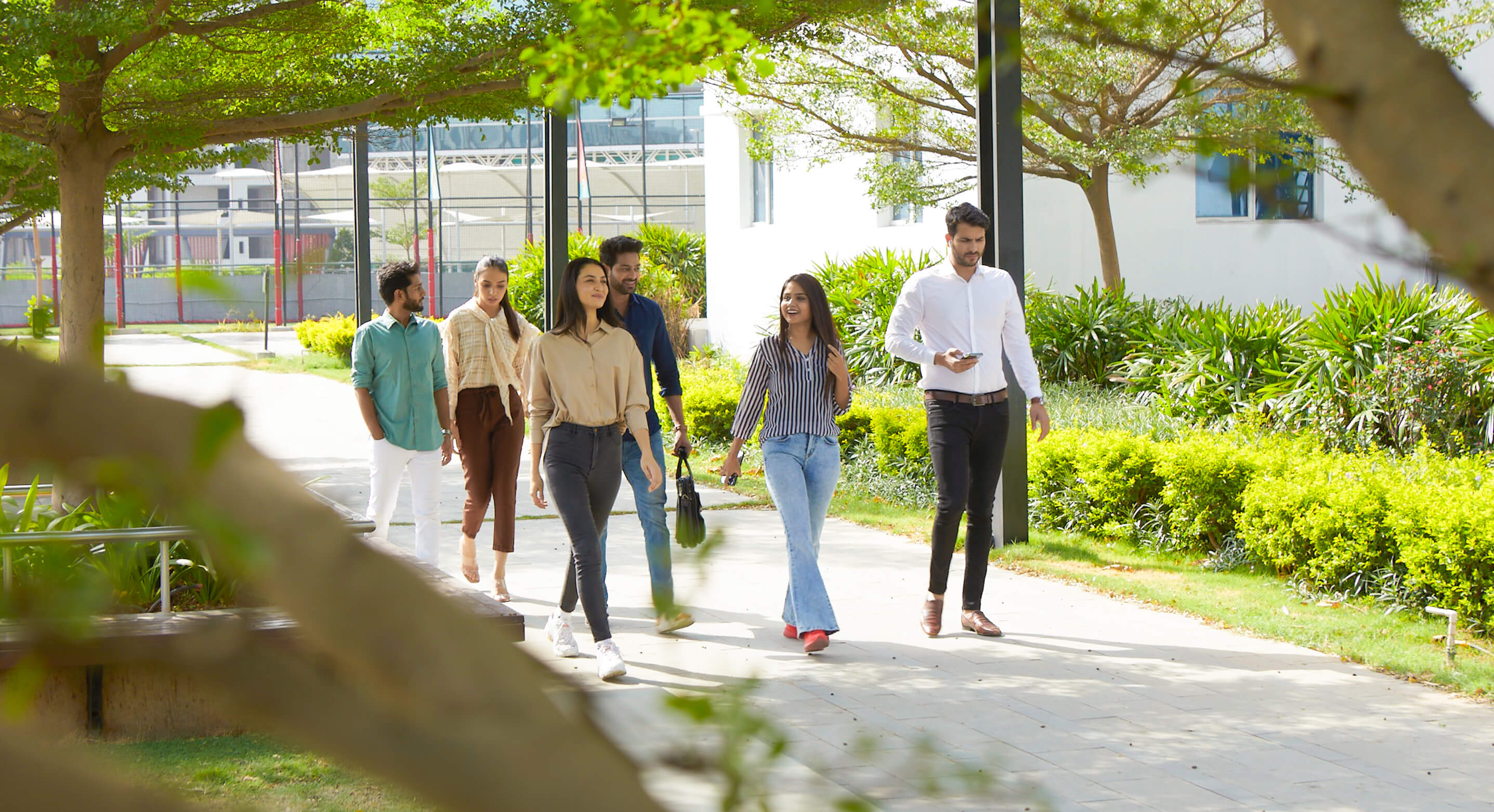
In today’s Indian workplaces, it’s increasingly common to see Baby Boomers, Gen X, Millennials, and Gen Z collaborating within the same teams. This diversity is not accidental. According to the Ministry of Statistics and Programme Implementation’s October 2025 Monthly Bulletin, India maintains one of the widest age distributions in its active labour force, with many professionals in the 45–59 and 60+ age groups continuing to participate in meaningful work.
Simultaneously, digital-first industries, shaped heavily by Millennial and Gen Z talent, are transforming expectations around flexibility, learning, and purpose. As the Future of Work 2024 report by NASSCOM notes, distributed and hybrid models have become mainstream considerations, prompting organisations to rethink how diverse worker groups collaborate.
Despite this rich age mix, age inclusion often remains an underdeveloped pillar within broader DEI strategies. Yet, when supported with the right culture and intentional HR design, generational diversity becomes a strategic organisational advantage rather than a workplace friction point.
Transforming generational diversity into organisational strength
Generational stereotypes, like Boomers being rigid or Gen Z being impatient, oversimplify people and create unnecessary divides. In practice, individuals often connect more through shared life stages; a 28-year-old caregiver may relate more to a 50-year-old with similar responsibilities than to peers their own age. The real challenge isn’t generational difference, but workplace systems built for an older era of predictable careers and slower change.
Today, HR leaders recognise that cross-generational collaboration strengthens knowledge sharing, innovation, and decision-making. HR professionals cite communication differences, tone, channels, and responsiveness as a recurring challenge; these differences also hold immense potential.
The goal isn’t to ‘manage generations’ but to design environments where strengths complement one another. When institutional memory meets fresh perspective, deep expertise pairs with digital fluency, and crisis-tested judgement is supported by agile problem-solving, organisations gain an edge no single generation can offer alone.
Converging workforce expectations across generations
Beneath workplace labels, the similarities among generations are far more significant than their differences. Across age groups, employees consistently seek respect and inclusion, wanting their voices heard and contributions valued. They also expect fair opportunities to grow, including access to learning, visibility in leadership, and meaningful career progression.
Flexibility and trust have become universal priorities as well; 73% of Gen Z prefer flexible work arrangements, and older generations benefit just as much, often using this flexibility to balance health, caregiving, or continued education. Employees across generations also look for purpose and alignment with organisational values. Ultimately, what differentiates individual needs is less about generational identity and more about life circumstances. Well-designed policies, such as flexible hours, mental health support, or caregiving leave, support employees of all ages without privileging one group over another.
HR’s leadership in a multigenerational era
To unlock the benefits of generational diversity, HR must intentionally shape policies, cultural norms, and collaboration structures. This begins with three key shifts. First, age diversity should become a visible part of the DEI agenda. While organisations rightly prioritise gender, disability, and LGBTQIA+ inclusion, age is often overlooked. Tracking representation in hiring, promotions, and engagement ensures decisions support employees across life stages.
Second, policies must be designed around life stages rather than an “average employee.” A 24-year-old new joiner, a 38-year-old parent, and a 58-year-old nearing retirement interact with policies very differently. Life-moment support, parenthood, caregiving, career pivots, health changes, or retirement planning naturally drive inclusion through phased retirement options, mid-career reskilling, flexible pathways for early talent, and caregiving assistance. When support is built around needs instead of age, inclusion follows.
Third, HR should foster intentional cross-generational collaboration. Left to chance, employees cluster with peers who think like them. HR can counter this through cross-generational project teams, meaningful reverse mentoring, shared learning forums, and structures that provide leadership visibility for younger employees while creating mentorship roles for older professionals. The aim is a culture where multi-age collaboration is normalised, valued, and embedded into everyday work.
In conclusion
HR’s role has expanded far beyond process oversight; it now shapes the cultural and strategic backbone of organisations. As India’s workforce spans an increasingly wide age spectrum, the future of work will be defined by leaders who put people first and design systems that recognise the value each generation brings.
Generational diversity is not a problem to solve but a powerful asset to harness. When organisations intentionally create environments where generations learn from, support, and elevate one another, they build workplaces that are more resilient, innovative, and prepared for the future. Ultimately, the ‘generational edge’ doesn’t emerge on its own; it is engineered. And HR leaders are uniquely positioned to design, champion, and sustain this advantage, transforming diversity into long-term organisational strength.
Source: ET Edge Insights
